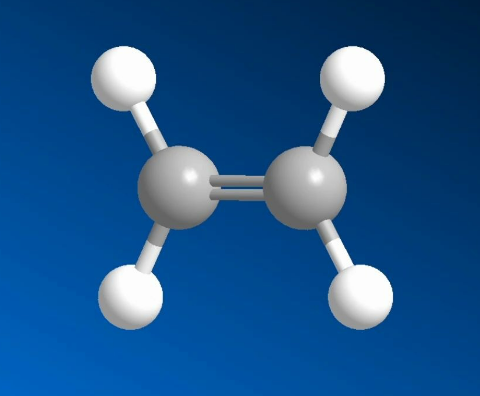
Ethylene ranks among the highest-volume chemicals produced worldwide. The ethylene industry forms the backbone of the petrochemical sector: ethylene-based derivatives account for more than 75 % of all petrochemicals and are therefore pivotal to national economies.
Consequently, a country’s ethylene output is widely adopted as a key benchmark of its petrochemical development level.
01-Water
Measure: 3 Å molecular-sieve.
02-Acetylene/MAPD
Countermeasure: Selective-hydrogenation catalyst
03-Arsenic/Mercury/Sulfur
Countermeasures:- As/Hg guard beds (selective adsorbents)
- Caustic wash for H2S removal
04-CO
Mitigation: methanation (H₂);
separation (ethylene).
A generic term for synthetic resins produced by polymerizing olefin monomers such as ethylene and propylene; it comprises mainly polyethylene (PE), polypropylene (PP) and polybutene (PB). With the largest global output of any polymer family—about 65 % of total plastics consumption—olefin-based resins are used in packaging, agriculture, automotive, appliances, construction, medical devices, electronics and electrical applications.
01-Polyethylene
Countermeasures:molecular sieve (dehydration), adsorbents (alcohols/ethers), catalysts (acetylenics/CO removal)
02-Polypropylene
Countermeasure: catalyst
03-C4 refining
Countermeasures: adsorbent/catalyst
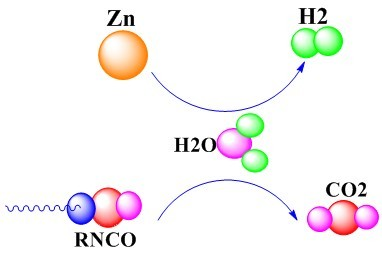
The refrigerant field is the "invisible bloodline" of the temperature control industry chain, providing heat transfer working fluids for air conditioners, refrigerators, automotive air conditioners, and cold chains, and extending to emerging scenarios such as liquid cooling and energy storage thermal management in data centers, supporting global temperature control demand.
LQTM Products
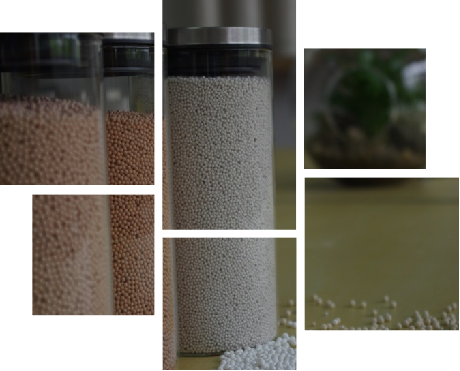
Performance Characteristics
Granular molecular sieve desiccant
High acid removal capacity
Compatibility
Strong water absorption capacity
Excellent physical performance indicators
Filter
By cryogenically liquefying and distilling inexhaustible air, we tear out oxygen, nitrogen and argon by the ton, along with the rare gases krypton, xenon, neon and helium—the “industrial lungs” that keep modern steel, chemicals, energy, electronics, healthcare and aerospace alive.
01-Air purification device
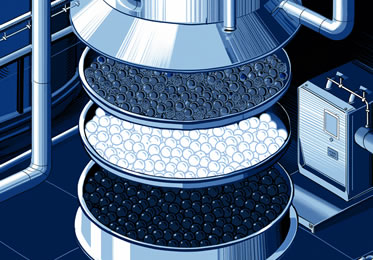
02-Impurity
CO₂ H₂O HC NOX
N₂O
03-Produc
04-Effect
carbon dioxide and water
Effective removal of nitrous oxide
Electronic gases are the “blood” of advanced manufacturing—semiconductors, displays, photovoltaics. The family splits into bulk gases (N₂, Ar, etc., 5–6 N) and more than 260 specialty gases (SiH₄, PH₃, CF₄ …) used for doping, etch, deposition and lithography. Once nodes shrink to 7 nm, control of metals, moisture and particles jumps from ppb to 0.01 ppb.